Red light therapy for horses has become an emerging and supplemental treatment for everything from pain issues, inflammation, and muscle recovery. This non-invasive technology helps optimize recovery, promote healing, and enhance recovery for horses with debilitating conditions.
If you’re a horse owner who’s looking for non-invasive supplemental treatment for your horse, then this article is for you.
Join us for the ride. We’ll provide a comprehensive overview of what’s included with red light therapy for horses, including but not limited to:
-
What red light therapy for horses is
-
Applications of red light therapy for horses
-
Specific conditions that red light therapy for horses treats
-
How to ensure the efficacy and safety of equine red light therapy treatment
-
Procedures involved in equine red light therapy and rehabilitation for red light therapy
-
Similar, supplemental therapies used in conjunction with equine red light therapy
-
Limitations of red light therapy for horses
-
Frequently asked questions about red light therapy for horses
What is photobiomodulation (PBM), or red light therapy for horses?
Ultimately, red light therapy, or photobiomodulation (PBM), is known as low-level laser therapy (LLLT), cold laser therapy, or the more colloquial red light therapy. It’s a form of light that involves exposure to different wavelengths of light, specifically red, or 630-nanometer (nm) wavelengths, and near-infrared nm wavelengths that help penetrate tissues at varying depths.
Red light therapy affects surface tissues, and NIR light targets deeper tissues, such as muscles and joints. Red light is used to improve healing in conditions such as wounds, bruising, or minor skin irritations.
Issues in tendons, ligaments, and joints may benefit from deeper penetration of NIR light. PBM works by boosting exposure to cells’ powerhouses. When cellular mitochondria are activated, they help boost ATP production.
ATP production is a process that involves bringing energy into and supporting many processes in the body’s nerves and cells, and it helps enhance cellular repair, reduce inflammation, and improve circulation. Enhanced cellular repair, reduced inflammation, and improved circulation can support a number of systems in the body, according to research.
Different applications of red light therapy for horses
Since red light therapy is considered low risk, many veterinarians and equine specialists use it as an ancillary treatment for most traditional treatments.
Potential applications of red light therapy in horses include:
-
Support with soft-tissue injuries: Red light therapy works by promoting cellular repair. As such, it may be helpful for ligaments, tendons, and muscle strains, as it’s believed to help horses return to peak performance faster. Using red light therapy pads can help with muscle- and tissue-related sprains, strains, tears, and bruises.
-
Relief from pain and soreness: Many horses often suffer from chronic pain and inflammation due to conditions like arthritis, lameness, and other injuries. Red light therapy has helped horses with chronic pain and inflammation, which is why owners and trainers use it as a supplemental treatment for many acute and chronic conditions.
-
Support with performance: Many barrel racers and athletes involved in horse racing use red light therapy as preventive maintenance for muscle recovery and even support with nerve damage. Regular red light therapy sessions can also help with muscle stiffness.
Nevertheless, red light therapy should not be used as a replacement to traditional veterinary medicine and treatments. It should be used in tandem with conventional treatments that support a horse’s well-being.
Specific conditions that red light therapy for horses treats
In particular, red light therapy offers numerous benefits for acute and chronic conditions. Many red light therapy products for horses, like our Gospel’s medium light therapy pad with case, are built to help with reducing oxidative stress.
For example, our Gospel’s collection helps with all of the following conditions:
-
Wound, tendon, and ligament healing
-
Soft tissue and laceration healing
-
Arthritis and joint pain (in conjunction with non-steroidal anti-inflammatory drugs)
-
Improving blood flow to key parts of the body by reducing stress
-
General rehab and equine recovery
While red light therapy supports healing for a variety of ailments, large and small, it should always be used in conjunction with, and not as a substitute for, your veterinarian’s prescribed treatment. When used in tandem with traditional veterinary medicine, red light products for horses can help improve equine health.
The safety and efficacy of equine red light therapy treatment
To make the most of red light therapy products, always ensure you’re following the safety instructions on your red light product.
In general, red light therapy is safe for horses. But, it’s important to follow the instructions on the product to ensure it supports your horse’s specific health conditions.
Finally, while red light therapy is a non-invasive treatment that can help increase blood circulation among other outcomes, it shouldn’t be used as the sole treatment to treat severe conditions, like broken bones or torn tendons.
To make the most of your red light therapy device, it should always be used as part of a comprehensive plan that includes proper physical therapy, a well-rounded diet, and regular veterinary care.
Using red light therapy in conjunction with other treatments will ensure a better quality of life for horses and ensure your horse makes the most of their treatment plan.
Procedures involved in equine red light therapy
With regards to the procedures for using equine red light therapy devices, most red light therapy sessions last about 20 to 30 minutes. Nevertheless, timing can vary depending on the issue and your horse’s tolerance.
For example, with acute injuries like strains or muscle injuries, daily sessions may be needed. With chronic conditions, conducting red light therapy sessions every few days may be more appropriate.
Nevertheless, the general rule of thumb is consistency. Make sure to stay consistent with your near-infrared and red light treatments, as doing so will help you achieve the best results for your equine friend.
Traditional, supplemental therapies related to red light therapy
You’ll often find red light therapy used in conjunction with other equine treatments, such as:
-
Massage work
-
Chiropractic care
-
Physical therapy
Red light therapy, also known as photobiomodulation, may help relax muscles and increase blood flow, especially after chiropractic care. What’s more, it can help support horses who have been out of work to resume their work.
Limitations of red light therapy for horses
While equine red light therapy can help with pain relief, scar tissue healing, ligament injuries, and wound healing, it does come with limitations. Red light therapy devices aren’t recommended for the following conditions:
-
Severe infections
-
Parasite issues
-
Open gashes
-
For use on testicles, cancerous regions, eyes, endocrine glands, or on pregnant mares
Did you know?
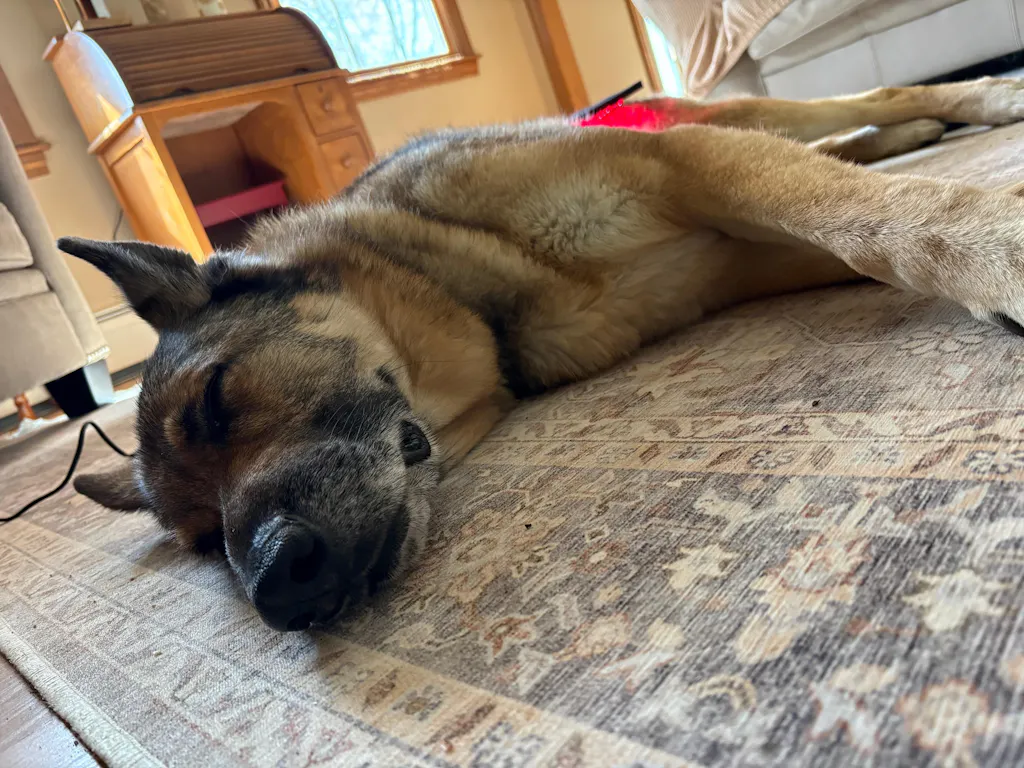
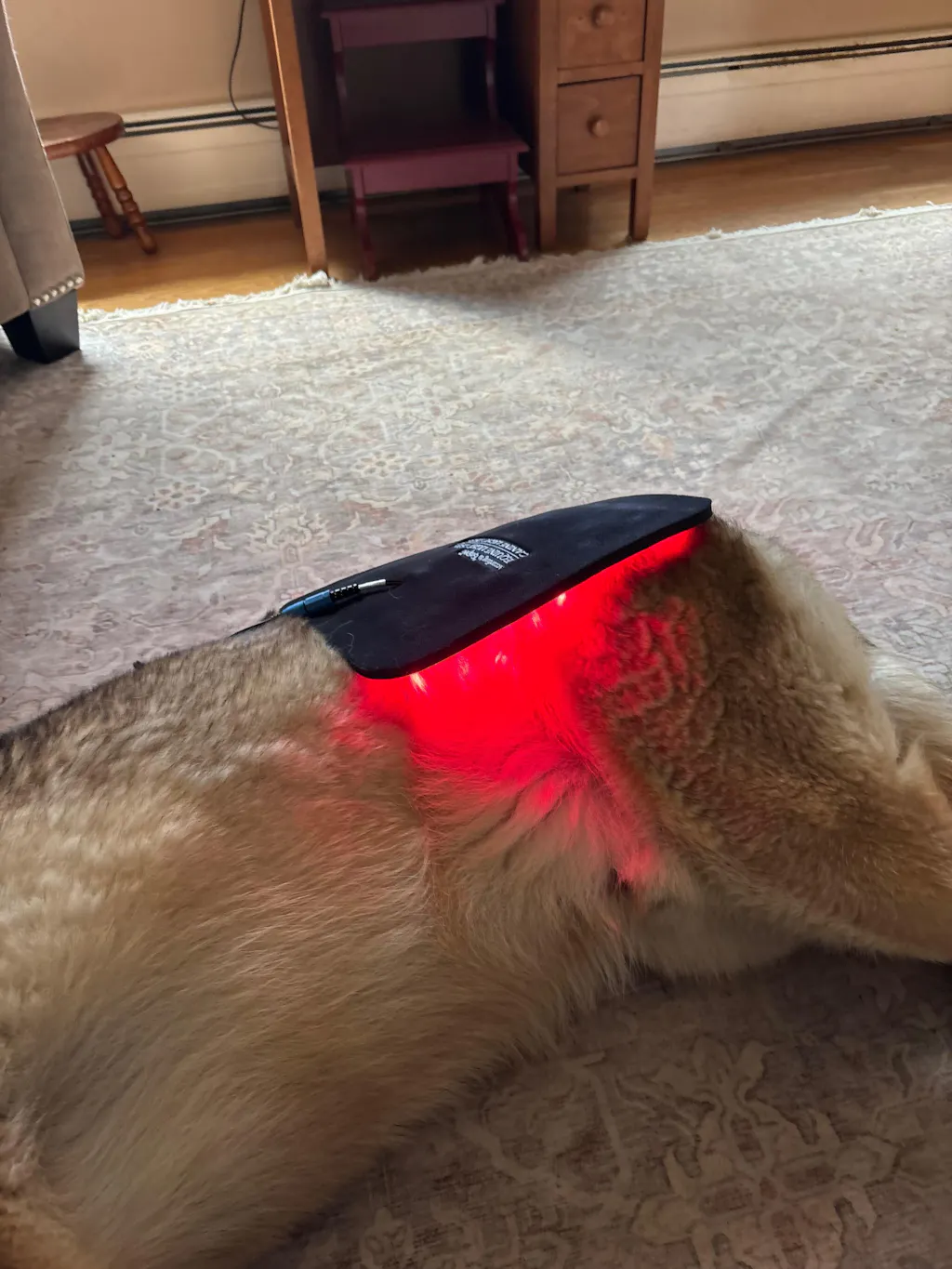
Did you know that the specific wavelengths of light used in equine red light therapy can also be adapted for dogs? Check out our blog on red light therapy for dogs, or to view red light therapy in action, check out Tigger cozying up with his favorite red light therapy pad.
Need red light therapy for your horse? Try our Gospel’s light pads
In summary, red light therapy treatments use red and near-infrared light to help support recovery in tandem with conventional veterinary medicine.
Red light therapy pads support recovery by promoting the following processes in the body:
-
Cellular repair
-
Inflammation reduction
-
Improving blood circulation
-
Promoting recovery from tissue and muscle injuries
If you’re looking for a time-tested, science-backed red light therapy device for your horse, you’re invited to explore our collection of red and near-infrared light therapy pads. Our pads have been vetted, backed, and tested by veterinarians and equine specialists.
For more than 20 years, we’ve provided red light therapy for horses and dogs to help them enjoy a better quality of life. To learn more about or try our red light therapy products, shop now, or get in contact with a member of our team. We’d love to be of service.
Until then, be well, and the best of healing to you and your horse.
Frequently asked questions about red light therapy for horses
1. Can red light therapy be used in place of medication?
We don’t recommend doing so. Red light therapy is a complementary therapy that should never be used as a substitute for your veterinarian’s prescribed care.
As such, we recommend reaching out to your veterinarian specialist on how to incorporate red light therapy as part of an overall equine health plan.
2. How effective is red light therapy for horses?
Red light therapy for horses is effective, but recovery times vary by condition and with treatment. Some horses improve after a few sessions, whereas horses with chronic, debilitating conditions may take longer to heal and recover.
3. Is red light therapy for animals safe?
Yes! Red light therapy is considered safe for most horses, dogs, cats, and pets. Equestrian riders and equine athletes: if your horse is on a specific equine care plan per your veterinarian’s recommendation, please consult with them on how to best incorporate red light therapy into your existing routine.
Equine Light Therapy:
Deep-Healing, Multi-Sized Red Light Therapy Pads for Horses