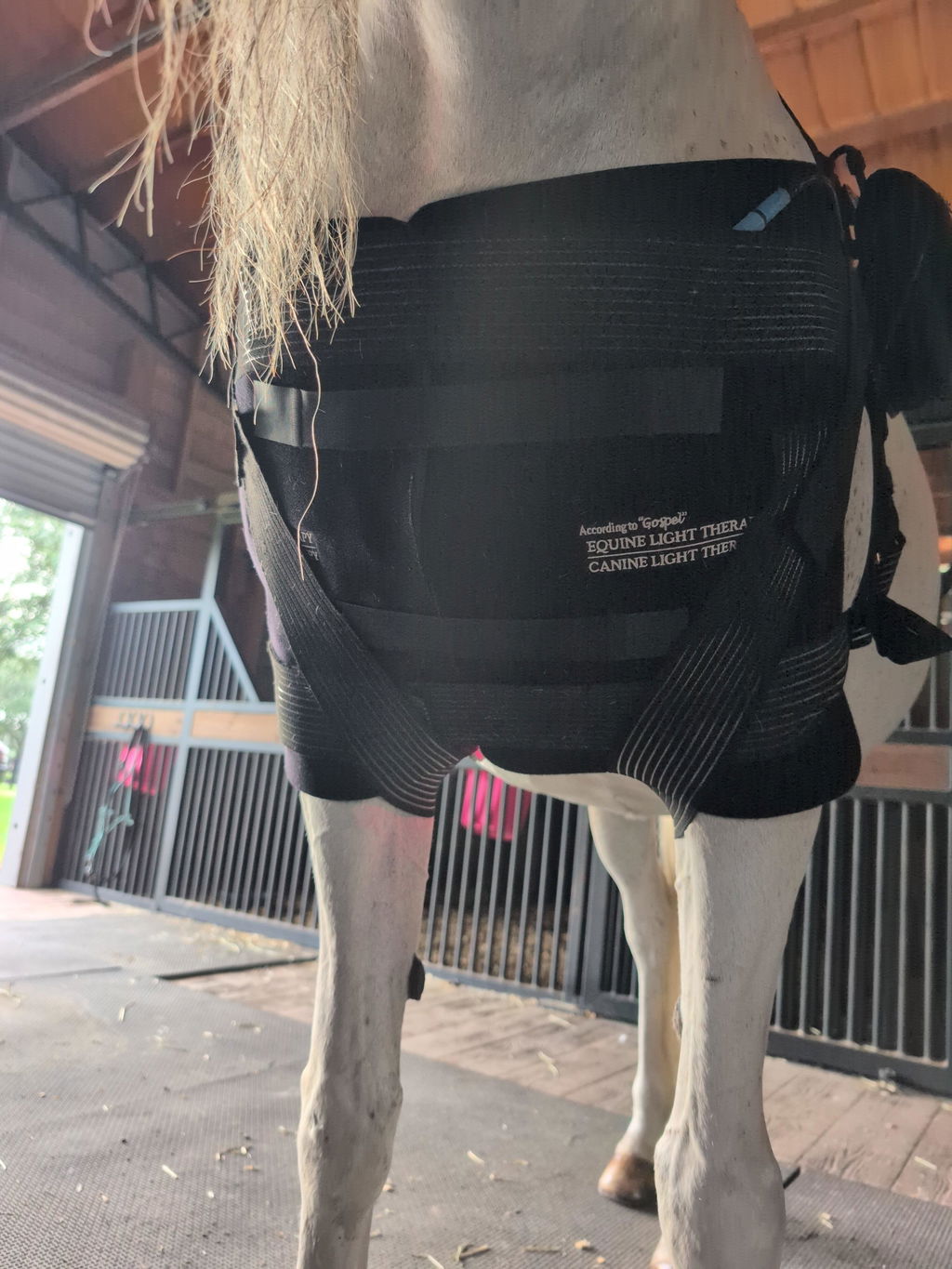
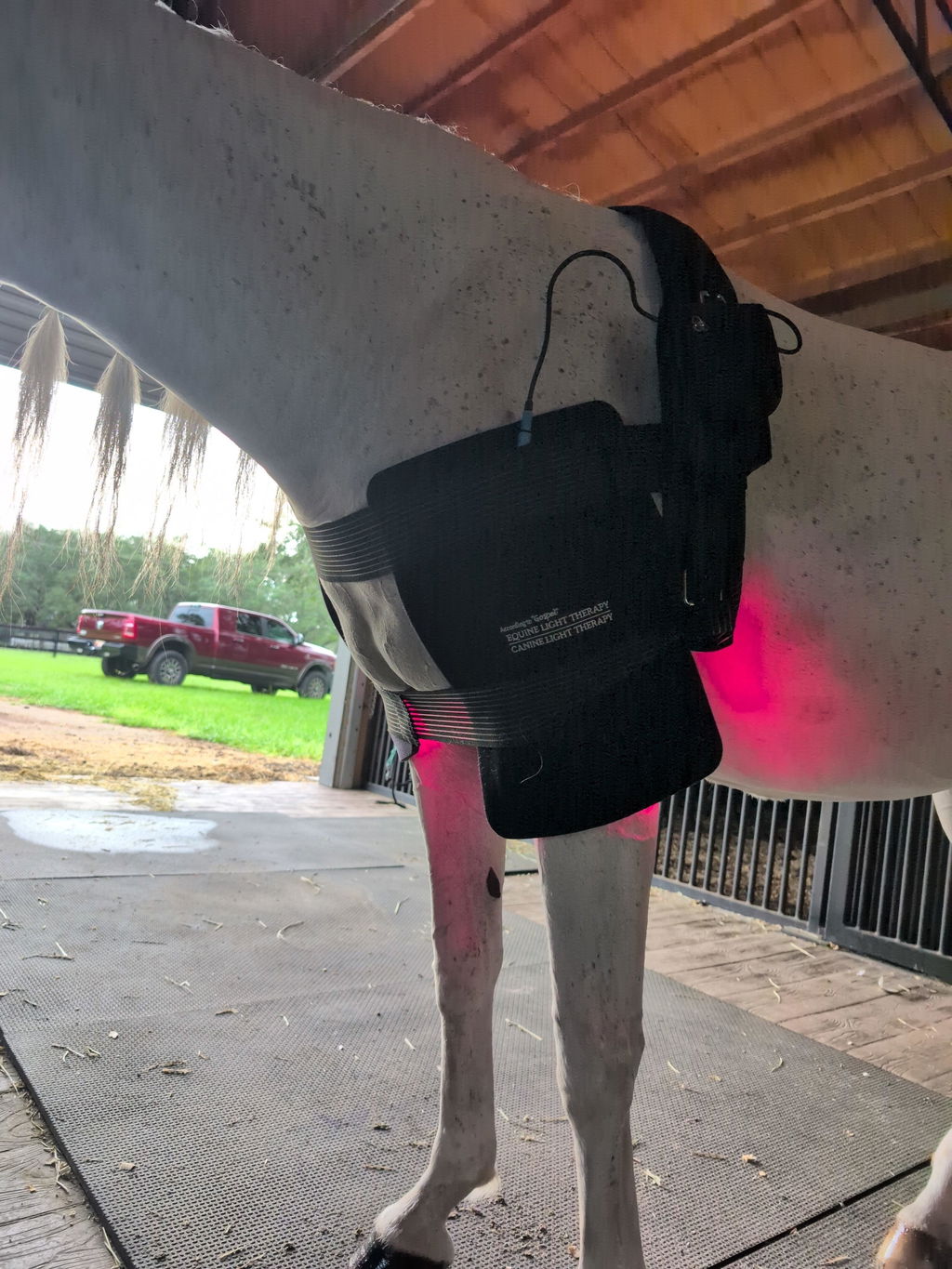
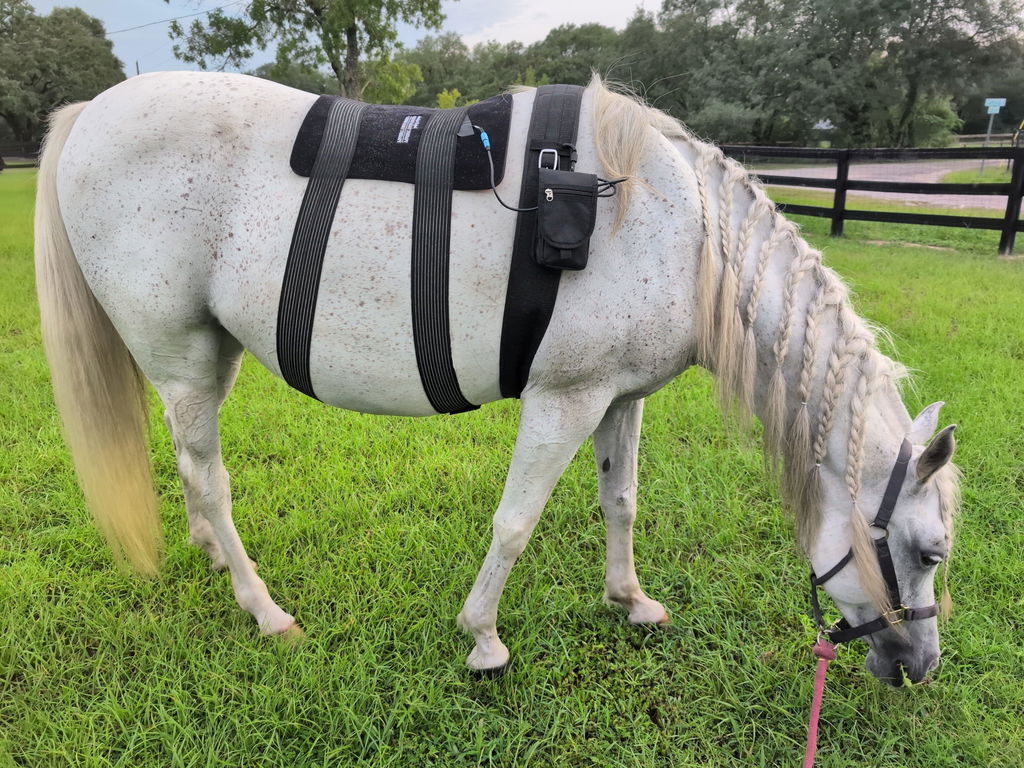
Photobiomodulation (PBM), also known as red light therapy for dogs, offers numerous benefits for dogs and pets. It’s a non-invasive treatment that helps deliver the following benefits:
-
Injury support after strenuous activities
-
Support with stiffness and soreness for active pets and horses
-
Increased overall health and well-being
Dog and pet owners: If you’ve ever noticed your dog slowing down, looking worn out, or generally not feeling their peppy self, they might need some extra support. With plenty of research confirming the efficacy of red light therapy as a supplemental treatment to traditional veterinary medicine, you’ve got options when caring for your pup.
If you’re curious to know how red light therapy for dogs can benefit your furry friend, you’ve come to the right place. Or, if you’ve been working like a dog to find a non-invasive, science-verified treatment for your pup, we’ve got your back.
In this article, we’ll cover the following topics:
-
What’s red light therapy for dogs?
-
Potential benefits of red light therapy for dogs
-
Some of the most common reasons dog owners opt for red light therapy
-
What to expect when using red light therapy
-
What to know about safety with red light therapy for dogs
-
When you should opt for more extensive veterinarian care
-
How to choose the right device for your pet’s needs
What’s red light therapy for dogs?
Red light therapy for dogs, often referred to as photobiomodulation (PBM) or low-level laser therapy, is a non-invasive treatment that uses specific wavelengths of red and near-infrared light to support the natural healing process in the body.
In other words, red light therapy pads use energy to stimulate cellular activity beneath the skin. Unlike treatments that rely on medication, this type of supplemental treatment is appealing for pet owners seeking gentle, supportive care that only takes 10-15 minutes a day to start seeing results.
Best of all, this type of therapy isn’t just for dogs. Red light therapy for pets is commonly used for canine companions, horses, and even cats.
The reason is that the underlying biology of healing is remarkably similar for each type of animal.
What’s red light therapy, and how does it work for dogs?
Red light therapy for dogs at home works through the following four steps:
-
First, you and your pet should make yourselves comfortable, preferably in an area of your home in which your animal friend feels calm and relaxed.
-
Next, lay the pad on your animal’s back, shoulder, neck, or other area.
-
Then, attach the straps, if applicable and needed, to hold it in place.
-
Finally, give your pet about 15-20 minutes per treatment area.
Note that your furry friend may prefer longer sessions one day and shorter sessions another day. So, don’t worry if they’re ready to take off early, or want to snooze a little longer.
The way that red light therapy works for dogs is through specific wavelengths of light along the red and near-infrared spectrum. These wavelengths stimulate mitochondrial activity, which increases cellular energy production.
In other words, when cells have more energy, they’re better equipped to repair themselves, which can result in reduced inflammation and healthier immune functioning.
Here’s what’s happening beneath your pup’s skin:
-
Light energy penetrates the skin and reaches the affected area.
-
Cells absorb this energy and increase adenosine triphosphate (ATP), or the primary energy-carrying molecule found in all living beings.
-
Improved blood circulation results in more oxygen and nutrients to soft tissues.
-
Collagen production is stimulated, which helps support the process of repairing tissues.
-
Inflammation is reduced, allowing you to help manage pain and stiffness.
When combined as part of a traditional veterinary medicine treatment plan, red light therapy offers a powerhouse of benefits to dogs. Let’s take a look at those benefits here.
The potential benefits for comfort and everyday mobility
So, we’ve talked about how red light therapy works. Now, let’s cover the key benefits of using it.
The main benefits that red light therapy devices offer dogs and pets include support with the following processes:
-
Post-activity and post-injury support
-
Stiffness and general muscle soreness
-
Overall health and well-being
Post-activity and post-injury support
Whether you own a rippin’-and-roarin’ border collie doodle or a powerhouse barrel race horse, physical activity can affect a furry animal just as it does us. Red light therapy sessions promote post-activity and post-injury support in the following ways:
-
It helps promote faster recovery after exertion
-
Supports soft tissue repair
-
Reduces inflammation in overworked muscles
-
Encourages increased blood flow to fatigued areas
For dogs recovering from minor injuries or surgical procedures, the gentle support of infrared light therapy devices can help expedite the healing process for dogs.
Support with stiffness and soreness
Conditions like arthritis, hip dysplasia, and old-age-related stiffness are some of the most common reasons pet owners consider red light therapy. Red light therapy helps reduce inflammation and improve circulation, which can support:
-
Managing pain in dogs with joint issues
-
Improving comfort and mobility in aging pets
-
Supporting flexibility in stiff or sore areas
-
Providing relief without opting for prescription drugs
Red light therapy is an especially attractive treatment option for senior dogs who may need a little extra support to feel their best.
Health and well-being
Beyond targeted muscle and tissue support, red light therapy supports overall health and well-being by:
-
Supporting healthy cellular function
-
Encouraging collagen production for skin and tissue health
-
Assisting with wound healing and various skin conditions
-
Providing a safe and gentle approach to healing
Furthermore, red light therapy won’t necessarily cure a dog’s medical issues. Nevertheless, it acts as a powerful sidekick and tool as part of a holistic approach to canine health.
Common reasons dog owners use red light therapy
So, why in fact do dog owners use red light therapy versus traditional medicine alone? Some of the most common reasons dog owners choose red light therapy to support their dog’s needs are to help with the following:
-
Support dogs with arthritis or joint discomfort
-
Manage inflammation from chronic conditions
-
Recover from soft tissue injuries or surgery
-
Improve surface-level skin issues and wound healing
-
Provide comfort for dogs with intervertebral disc disease
-
Support performance and recovery in active or working dogs/horses
Many dog, cat, and horse owners prefer red light therapy for its ability to provide comfort and deeper healing for tissue inflammation and chronic conditions over the long haul. When red light therapy devices are used consistently, they are effective in helping with a number of short- and long-term conditions.
What pet owners should expect from consistent use
Speaking of consistent, here’s what you can expect from using red light therapy on a consistent basis:
-
Noticeable improvements in mobility and comfort
-
Reduced signs of stiffness after rest or activity
-
Faster recovery after exercise
-
Improved skin and coat condition
As such, consistency is key. To see marked improvements in your dog, horse, or cat’s well-being, consistency is fundamental.
Regardless of your cadence, regular sessions are essential to helping maintain the benefits and support that red light therapy offers. It’s definitely not a one-time only fix, but an investment over the long haul.
The more you stay consistent, the greater the return on your investment for both you and your furry friend.
Safe usage of red light therapy at home
Red light therapy is safe to use on the road and at home. When used properly, red light therapy devices can brighten your and your furry friend’s life. If you’d like to make the most of the benefits of red light therapy — or if you decide you’re ready to get started on a red light therapy device of your own — here are a few best practices to keep in mind:
-
Always follow the manufacturer’s guidelines: Pay special attention to the recommended session length and frequency. Consider a red light therapy device that complies with IEC 60601 international standards for medical devices.
-
Ensure the device uses appropriate wavelengths for canine use: Opt for red light therapy devices that emit 660 nanometers (nm) and 850 nm.
-
Apply the device directly to the affected area for best results: The device should have sufficient power to provide six to eight joules per centimeter squared in a reasonable amount of time. If said device doesn’t do so for your affected area, you may want to consider other options.
-
Keep sessions calm and comfortable for your pet: Inside your home, in a comfortable and cushy chair, or in their favorite nap spot is ideal. You’ll get the best results when your furry friend is happy and relaxed, so consider administering therapy in a spot where they’re free to unwind or fall asleep.
When should you speak with a veterinarian?
Unfortunately, red light therapy is not a miracle pill. While it may be convenient to use in a variety of contexts, it can’t cure everything.
Nevertheless, you should consult a veterinarian if you notice any of the following:
-
Your dog has a serious or undiagnosed condition.
-
You’re managing chronic pain or inflammation.
-
Your pet is recovering from surgery.
-
You’re unsure whether red light therapy is right for your pup.
A veterinarian can help you build a personalized treatment plan, so you can give your animal the best treatment.
How to choose a device that fits a dog’s needs
So, what’s the best device for dogs? It really depends on the dog’s condition, comfort level, and size.
Small dogs might opt for a smaller, handheld device, such as our Gospel’s Itty-Bitty light therapy pad, whereas an English Mastiff or Great Dane might do well with a Large light therapy pad.
Regardless of the device, you’ll want to keep in mind the following specifications to ensure the greatest amount of success for your furry friend:
-
Red light wavelength: Devices should use clinically supported red and near-infrared wavelengths.
-
Usability: A user-friendly device makes for a pet-friendly therapy session.
-
Coverage: Larger coverage areas can support larger dogs or animals.
-
Portability: A portable handheld device is especially helpful for barrel racers and show dogs on the go.
-
Durability: Your device should last at least 10 years or more.
At the end of the day, the right device is the one that fits your lifestyle, your needs, and most importantly, your pet’s comfort. Because some of the best medicine for dogs, cats, and horses starts with light.
If you’re looking to add a little light to your animal friend’s life, or if you’re curious to see what red light therapy can do for you and your animal friend, reach out to us. We’d be happy to share more about the benefits of red light therapy, as well as where you can shop for a red light therapy device of your very own.
Finally, the more you know, the better you can prepare yourself for both your and your furry friend’s life. Let’s give them the best we can.
Ready to try it out? To experience the benefits of red light therapy, explore our entire collection of professional light therapy pads and kits in our online shop.
“He has greatly improved using light therapy.” - Red light therapy testimonial
“I was gifted a small Canine Light Therapy pad for my 10-year-old Rescue Yorkie, Oliver. He suffered from Congestive Heart Failure for the last two years.
We started light therapy, and on his last check-up, he had improved greatly. No more CHF, just an enlarged heart.
His coughing has been minimal, and although he still takes his meds, he has greatly improved using the light therapy! Thank you!” - Bonnie G., satisfied client of Equine Light Therapy
Equine Light Therapy: Providing the Benefits of Red Light Therapy Since 1999