Notice your dog walking a little funny? Do they hunch over, yelp, shiver, or drag their hind legs? If you notice your dog’s posture is off, they could be experiencing intervertebral disc disease. IVDD is one of the most commonly treated neurological disorders in dogs, and if left untreated, can lead to loss of movement or, worse yet, total paralysis.
While the underlying spinal degeneration that comes with IVDD can’t be cured, with the right treatments and supports, you can help your dog successfully manage the worst symptoms of this condition.
We’re Equine and Canine Light Therapy, a red light therapy product provider for dogs, cats, pets, and horses. For more than 25 years, we’ve partnered with veterinary specialists, athletic trainers, physical therapists, and other animal specialists to provide long-lasting, reliable red light therapy treatments that help our lovable animal friends with IVDD and other conditions.
If you’re concerned that your pet has IVDD, or if you just want to learn more about IVDD in dogs, you’ve come to the right place.
In this article, we’ll provide an overview of IVDD and its associated primary and supplemental treatments. In addition, we’ll cover the following key topics to help you make more informed decisions for your animal friend’s health:
-
What is intervertebral disc disease (IVDD) in dogs?
-
Common IVDD signs and symptoms
-
What to expect with the diagnosis and prognosis of IVDD
-
Types of dogs that tend to be more susceptible to IVDD
-
The recovery and healing process from IVDD
-
Treatments for IVDD in dogs
-
The benefits of dog red light therapy as a supplemental treatment for IVDD
-
Where to find non-invasive, supplemental treatments for IVDD in dogs
What is intervertebral disc disease (IVDD) in dogs?
Intervertebral disc disease (IVDD) is a spinal disorder that results because intervertebral discs herniate inside a dog’s spine. The outer layer of the discs is surrounded by gelatinous substances between the bones inside a dog’s spine.
In other words, the fluid helps absorb impact in the spine. When the intervertebral disc’s tissues or organs push through the muscle or wall that contains them, the spinal cord can be compressed, which can be extremely painful for a dog.
The two types of IVDD are:
-
Hansen Type I IVDD
-
Hansen Type II IVDD
Hansen type-I IVDD is most commonly found in small-breed dogs two years or older. Type-I IVDD is often described as an extrusion or herniation of the inner contents of the intervertebral disc. With type-I IVDD, the gelatinous material inside the disc becomes hard, is no longer compressible, and, with strain on the discs, eventually bursts through, thereby compressing the disc.
Dogs with Hansen type-II IVDD tend to look a little more like humans with disc disease. Instead of a “bursting through” of the gelatinous material at the center of the disc, the outer part of the disc bulges, occasionally tearing. The torn fragments then press into the spinal canal and compress the spinal cord.
The torn materials (and the blood that often pools near the site of the tears) contributes to the compression and pain. Medium to large dogs and cats who are five to 12 years old tend to experience type-II IVDD.
Common signs and symptoms of IVDD in dogs
IVDD doesn’t present itself in any overt ways other than your dog looking and feeling a little more sluggish than usual. But, if you look closer, you can observe a few common signs and symptoms that indicate its presence. Common signs and symptoms that your dog may be experiencing IVDD include:
-
Feeling pain in their neck or back
-
Shaking, shivering, or trembling in response to pain
-
Yelping when touched
-
Challenges with urination, continence, or defecation
-
Walking on knuckles instead of the pads of their paws
IVDD diagnosis, prognosis, and rehabilitation
To determine whether your dog has IVDD, you should visit your trusted veterinarian. They’ll perform a physical exam and check your pet’s orthopedic and neurological condition.
If your vet discovers that your dog has IVDD, your pet may receive treatment to prevent further damage without the need for surgery. For example, a series of pain medications, extended crate rest over several weeks, and physical therapies like infrared light therapy or red light therapy for dogs at home may be used.
In more severe cases, a dog may be referred for X-ray imaging and potential surgery.
Crate rest is a must. Coupled with pain medication and crate rest, a dog with a mild case of IVDD can make a full recovery.
If not crate rested — or if IVDD is identified in its later stages — surgical intervention may be needed. Continued physical therapy treatment via light therapy pads may be recommended by your veterinarian.
Common dog breeds that experience IVDD
Alas, some dogs are more predisposed to contracting IVDD. Medium to large dogs who are 5 years old to 12 years old tend to contract IVDD more so than other dog breeds.
Also, many dogs with long backs and short legs tend to be more susceptible to IVDD. Dog breeds that experience IVDD more often include:
-
Dachshunds (the majority of IVDD cases)
-
Doberman pinschers
-
German shepherds
-
Beagles
-
French bulldogs
-
Shih tzus
-
Corgis
-
Basset hounds
-
Poodles
-
Chihuahuas
-
Cocker spaniels
-
And more
The recovery process from IVDD
Recovering from IVDD often involves:
-
Crate rest
-
Pain medications
-
Sedatives, that is, if the pain becomes intolerable
-
Surgery if, after resting and using pain medication, the pain is unbearable
Non-invasive treatments such as those mentioned above are for dogs whose owners have identified IVDD early. Alas, IVDD often becomes worse with time.
If IVDD is identified in later stages of its development, a veterinarian may recommend surgery, physical therapy, and potentially bladder management.
In summary, exercise and movement restrictions, coupled with physical therapy and potentially surgical intervention, may be in the cards if IVDD isn’t addressed early on.
Conservative treatments for IVDD in dogs
Fortunately, dogs with IVDD respond well to crate rest, exercise restriction, physical therapy, and red light therapy.
For dogs with IVDD, conservative treatment options are as follows:
-
Rest: Crate rest for a minimum of four weeks
-
Pain medication: anti-inflammatory medication, pain medication, muscle relaxers, and sedatives especially for dogs with spinal cord compression or pressure on the spinal cord.
-
Short breaks: Your dog should only take short, 10-minute leash walks per day for bathroom breaks. If you notice that your dog is experiencing neck pain, consider using a harness. You can attach your leash to the harness for each walk break.
More involved treatment options include emergency surgery aimed at minimizing permanent neurological damage. Surgery is used to determine the degree of herniation caused and to help relieve pressure on the spinal cord.
During surgery, a portion of the affected vertebral body of the spinal cord and its accompanying disc material is removed. Finally, the same conservative treatment options are required post-surgery recovery.
Supplemental treatments for dog IVDD
If you’re looking for alternative treatments for dogs with IVDD, supplemental treatments that focus on diet, joint support, and body mechanics offer strong support when used in tandem with conservative and surgical treatment interventions.
Supplemental, natural treatment for IVDD includes:
-
Red light and near infrared light therapy
-
Hydrotherapy
-
Laser therapy
-
Pulsed Electromagnetic Field (PEMF) therapy
-
Massage
-
Physical therapy focusing on balance, strengthening, and stretching exercises
We understand that supplemental treatment isn’t for everyone, so if you’re interested in learning about red light therapy, one of the least invasive treatments for IVDD, you’re more than welcome to explore the peer-reviewed evidence on the research section of our website.
Red light therapy for IVDD and canine health
In terms of treatment options, you should always consult your veterinary care team. With that being said, if you’re looking for additional supportive treatments for IVDD in dogs, red light therapy may help.
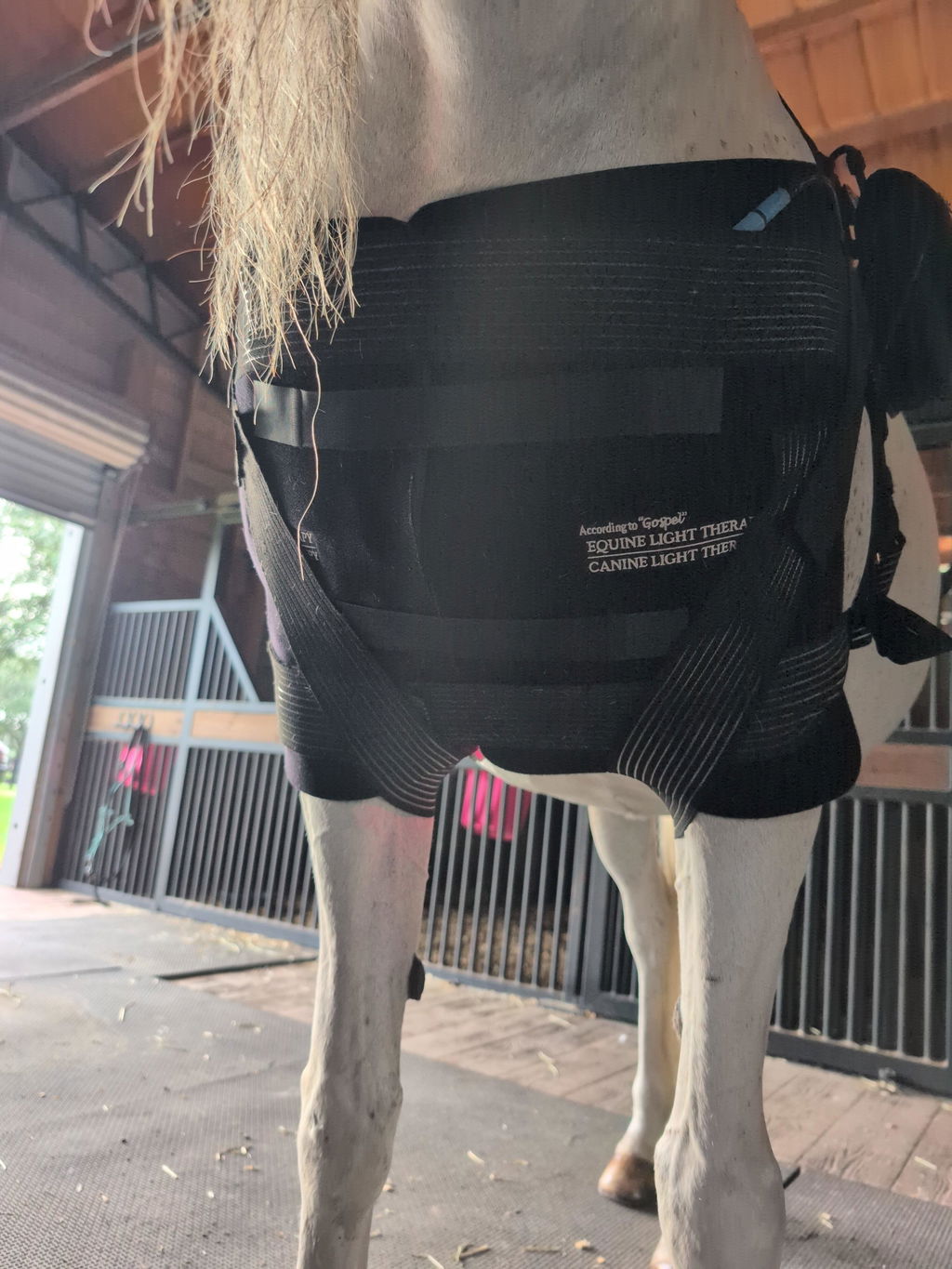
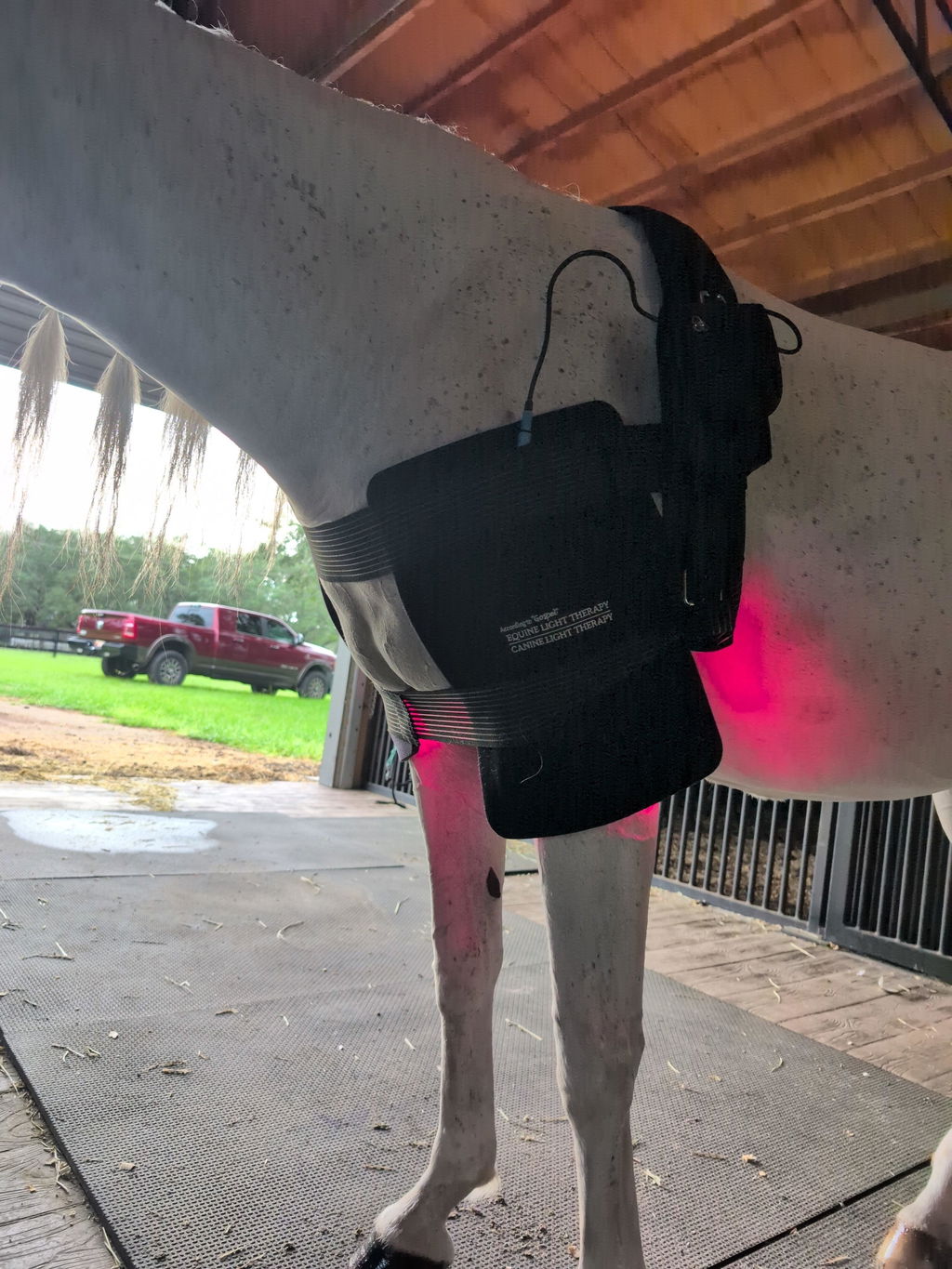
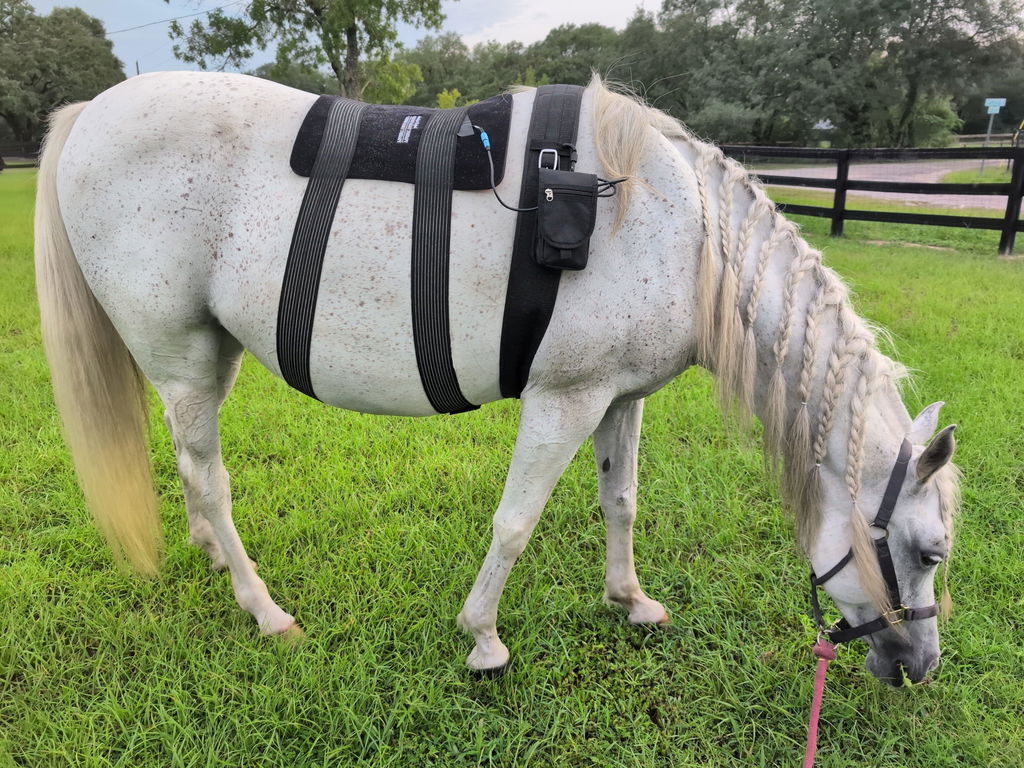
Red light therapy uses gentle red and near-infrared light wavelengths to penetrate a dog’s skin and tissues to trigger the production of cellular energy needed to help heal sore, inflamed, painful, or weak muscles, nerve endings, tissues, and joints.
If you’re interested in learning about how light therapy can support your dog, we invite you to explore our Instagram page or our in-depth analysis on why and how light therapy works. 👈🏼
Where to buy supplemental red light therapy treatment for dogs with IVDD
At the end of the day, supplemental treatment for IVDD can be purchased at most online retailers and in select brick-and-mortar pet shops.
In particular, if you’re looking for an online purveyor of quality supplemental red light therapy devices for dogs with IVDD, we’d be happy to help.
We carry an extensive collection of light pads, handheld devices, professional light therapy kits, accessories, and much more to help pets heal from all kinds of spinal-related issues.
Plus, we offer flexible financing options and a 30-day money-back guarantee on our products for added peace of mind. To explore our entire collection of dog, cat, horse, and pet-related light therapy products, we invite you to shop online.
And, if you have any questions or concerns, whether that be about our products, where to buy them, or something else, don’t hesitate to contact us or call us at (615) 293-3025.
We wish you and your canine a very easy and smooth journey ahead.🛣️
🐎🐶Equine and Canine Light Therapy: Harnessing the Power of Light to Heal Animals 😸